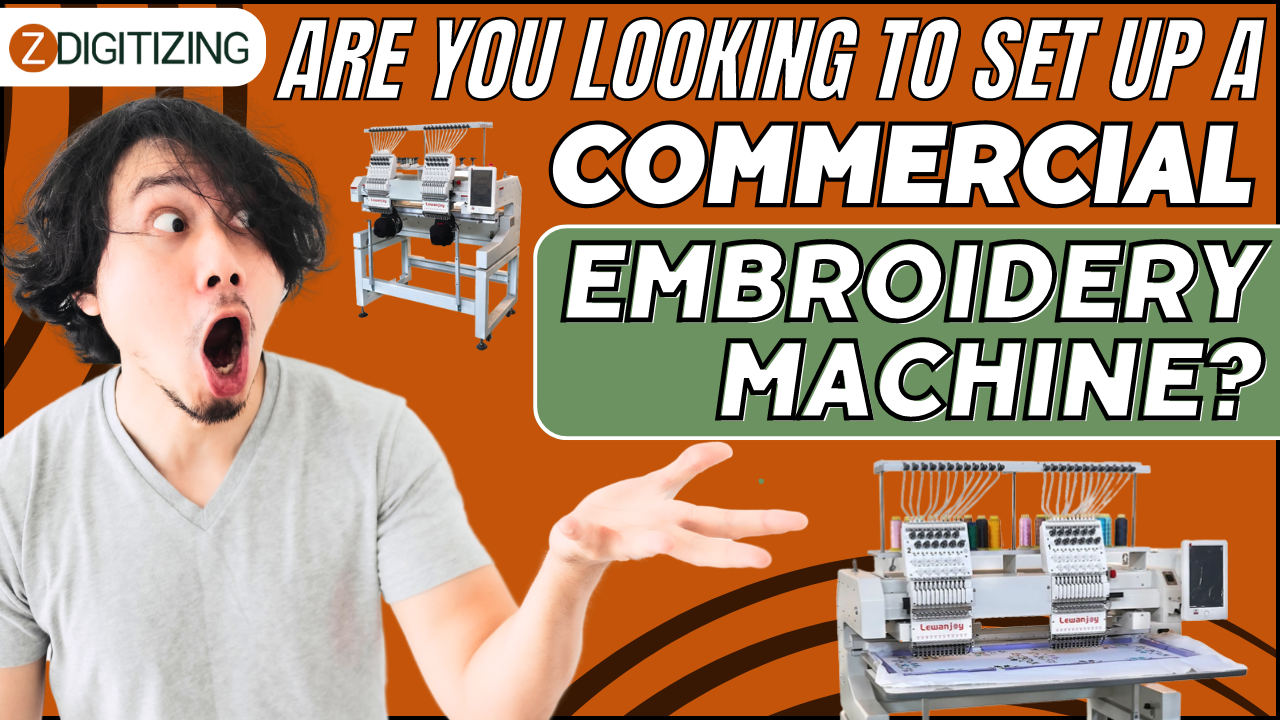
Embroidery digitizing has revolutionized the way businesses and hobbyists create embroidered designs. Whether you’re a small business owner venturing into the world of embroidery or a seasoned professional looking to expand your capabilities, setting up a commercial embroidery machine requires careful consideration and planning. In this comprehensive guide, we’ll delve into the essential aspects of setting up a commercial embroidery machine and explore the significance of embroidery digitizing in this process.
Understanding Embroidery Digitizing
What is Embroidery Digitizing?
Embroidery digitizing is the process of converting artwork into a digital format that can be read and interpreted by an embroidery machine. This digital file contains instructions for the machine to create precise stitches, replicate intricate designs, and achieve desired outcomes with accuracy.
Importance of Digitizing in Commercial Embroidery
Digitizing plays a crucial role in ensuring the quality and consistency of embroidered designs in commercial settings. It allows businesses to reproduce logos, monograms, and intricate patterns with precision, regardless of size or complexity. Moreover, digitized designs can be easily modified, resized, and customized to meet specific customer requirements, offering versatility and flexibility in production.
Factors to Consider When Setting Up a Commercial Embroidery Machine
Machine Type and Brand
Choosing the right embroidery machine is paramount to the success of your embroidery business. Consider factors such as brand reputation, machine features, stitching speed, and compatibility with digitizing software. Research different brands and models to find one that aligns with your production needs and budget constraints.
Hooping and Framing Techniques
Proper hooping and framing techniques are essential for securing fabric and stabilizers in place during the embroidery process. Invest in quality hooping systems and learn proper techniques to prevent fabric distortion and ensure smooth stitching.
Thread and Needle Selection
The type and quality of thread and needles used can significantly impact the final outcome of your embroidered designs. Select threads that are compatible with your machine and fabric types, and experiment with different needle sizes and types to achieve desired results.
Software and Digitizing Tools
Invest in reputable digitizing software and tools that offer advanced features and customization options. Familiarize yourself with the software’s interface and functionalities to efficiently digitize designs, adjust stitch settings, and optimize production workflow.
Steps to Set Up a Commercial Embroidery Machine
Machine Assembly
Follow the manufacturer’s instructions for assembling your embroidery machine, ensuring all components are properly installed and calibrated. Pay attention to details such as thread tension, bobbin winding, and needle alignment to avoid potential issues during operation.
Installing Software
Install and configure your digitizing software according to the manufacturer’s guidelines. Connect the software to your embroidery machine and verify compatibility and communication settings to ensure seamless integration and data transfer.
Loading Designs
Upload digitized designs to your embroidery machine using USB drives, LAN connections, or other compatible methods. Organize design files into folders for easy access and retrieval, and label files appropriately to avoid confusion during production.
Testing and Adjustments
Before embarking on full-scale production, conduct test runs to evaluate machine performance, stitch quality, and design accuracy. Make necessary adjustments to thread tension, stitch density, and other parameters to achieve optimal results.
Maintenance Tips for Commercial Embroidery Machines
Regular Cleaning and Lubrication
Keep your embroidery machine clean and well-maintained to prevent buildup of dust, lint, and debris that can affect performance and stitch quality. Follow manufacturer’s guidelines for lubrication intervals and use recommended cleaning products to prolong machine lifespan.
Thread Tension Adjustment
Monitor and adjust thread tension as needed to prevent thread breakage, looping, or puckering during embroidery. Experiment with different tension settings and conduct test stitches to find the optimal balance for each design and fabric type.
Needle Replacement
Replace needles regularly to ensure smooth and precise stitching, especially when working with dense or abrasive materials. Inspect needles for signs of wear or damage, such as burrs or bent tips, and replace them promptly to avoid production delays or quality issues.
Troubleshooting Common Issues
Thread Breakage
Thread breakage is a common issue in embroidery production, often caused by improper tension, dull needles, or thread snags. Check for thread path obstructions, adjust tension settings, and replace needles or thread spools as needed to resolve the issue.
Bobbin Problems
Issues with bobbin tension, winding, or placement can result in uneven stitches, thread bunching, or bobbin jams. Check bobbin tension settings, wind bobbins evenly, and ensure proper placement and alignment to prevent these problems.
Design Distortion
Design distortion can occur due to improper hooping, inadequate stabilizers, or incorrect digitizing settings. Double-check hooping techniques, stabilize fabric properly, and review digitized designs for errors or inconsistencies before proceeding with production.
Advantages of Using Commercial Embroidery Machines
High Production Capacity
Commercial embroidery machines offer high-speed stitching capabilities, allowing businesses to produce large quantities of embroidered products quickly and efficiently. This increased production capacity enables faster turnaround times and greater profitability for embroidery businesses.
Customization Options
With advanced digitizing software and multi-head embroidery machines, businesses can offer a wide range of customization options to their customers. From personalized monograms and logos to intricate designs and text, commercial embroidery machines empower businesses to fulfill unique customer requests and cater to diverse market segments.
Professional Results
Commercial embroidery machines deliver professional-quality results with precise stitching, vibrant colors, and intricate details. Whether creating intricate designs for apparel, accessories, or home decor, businesses can rely on commercial embroidery machines to produce consistent and high-quality embroidered products that exceed customer expectations.
Conclusion
Setting up a commercial embroidery machine requires careful planning, attention to detail, and a thorough understanding of embroidery digitizing principles. By investing in quality equipment, mastering digitizing techniques, and implementing best practices for machine operation and maintenance, businesses can unlock the full potential of commercial embroidery and achieve success in this dynamic and creative industry. Zdigitizing is a leading provider of professional embroidery digitizing services, offering high-quality digitized designs tailored to the unique requirements of each client. With a team of skilled digitizers and state-of-the-art software, zdigitizing delivers precise and intricate embroidery files that ensure flawless stitch-outs and exceptional results.
Unique FAQs
- What is the difference between embroidery digitizing and regular digitizing?
- Embroidery digitizing involves converting artwork into stitch patterns for embroidery machines, while regular digitizing refers to the process of converting analog data into digital format for various applications.
- Can I digitize my own designs for commercial embroidery?
- Yes, with the right software and training, you can digitize your own designs for commercial embroidery. However, professional digitizers often have expertise in optimizing designs for machine embroidery and can ensure superior results.
- How long does it take to learn embroidery digitizing?
- The time it takes to learn embroidery digitizing depends on individual learning pace, prior experience with design software, and complexity of designs. With dedication and practice, beginners can acquire basic digitizing skills within a few weeks to months.
- What are the advantages of outsourcing embroidery digitizing services?
- Outsourcing embroidery digitizing services can save businesses time and resources, especially if they lack in-house expertise or specialized software. Professional digitizers can ensure high-quality results, fast turnaround times, and cost-effective solutions for custom embroidery projects.
- Are commercial embroidery machines suitable for small businesses?
- Yes, commercial embroidery machines come in various sizes and configurations to suit the needs of small businesses. With scalable production capabilities and versatile customization options, commercial embroidery machines offer a viable solution for entrepreneurs looking to start or expand their embroidery ventures.